


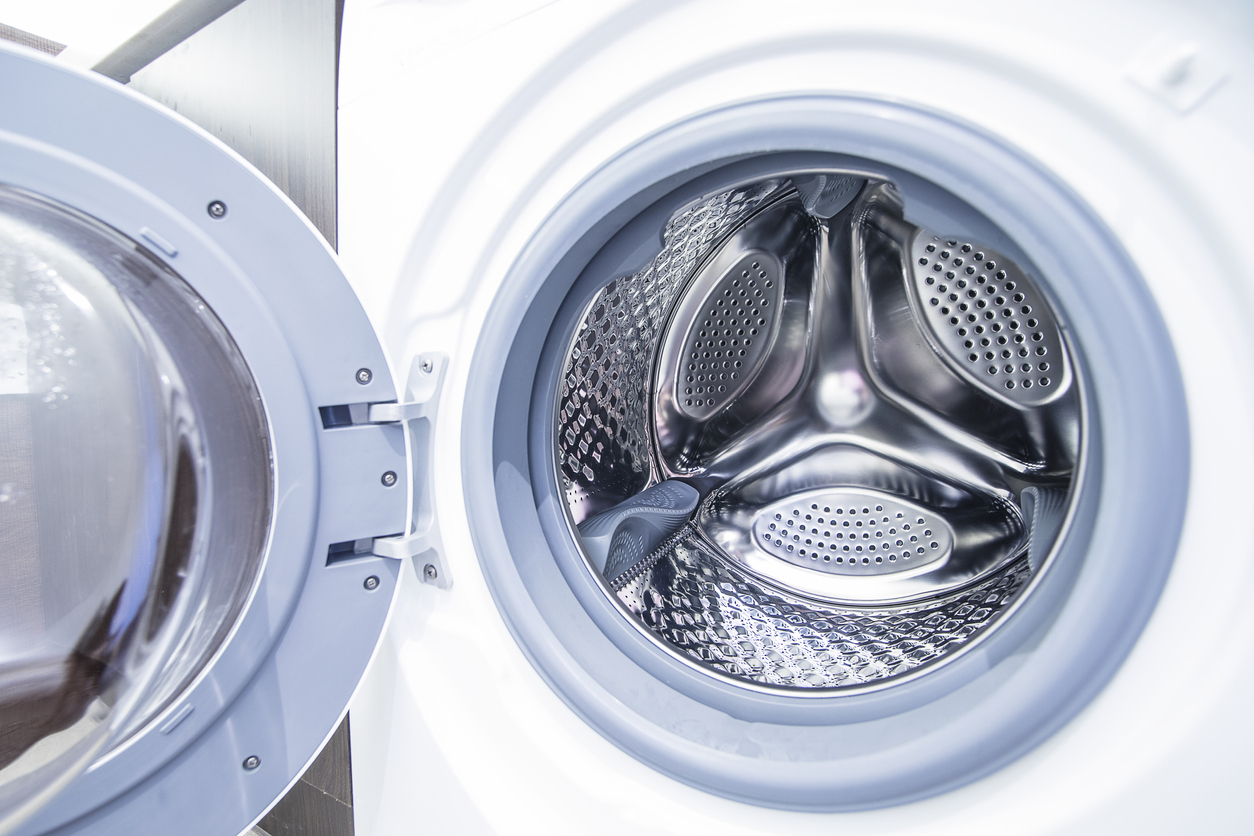
If your GE washer is making a grinding noise, then the most likely cause is either the tub bearing or the broken pulley. Besides these common symptoms, you should also check the tub suspension and the drain pump. Under normal circumstances, fixing any one of these defective parts can solve the problem.
Here is a brief overview of the potential issues:
- A worn-out bearing on the inner tub makes the washer produce a grinding sound.
- A loose pulley or a damaged belt on the pulley can create such unwanted noises.
- The suspension supporting the rotating tub can cause the tub to vibrate, which results in a grinding sound.
- A defective pump, or a jammed drain line connected to the pump, is a likely source of the washer making a loud noise.
If you’re looking for more information, the following details will help tackle the undesirable washer grinding noise.
Worn-Out Inner Tub Bearings
The most common reason for the grinding sound in the GE washing machine is a worn-out tub bearing.
The traditional GE washer has two tubs inside it. The inner tub is the circular moving steel part where the clothes are loaded. It’s the part perforated with holes to allow the water in and out. Similarly, there is also an outer tub, which surrounds the inner tub. The outer tub doesn’t move. It only supports the inner tub and stops the water from leaking.
Whenever the inner tub bearing is worn-out, it makes the inner tub wobble, which ultimately causes the inner tub to rub against the outer tub, causing a grinding sound.
You can check the inner tub by rotating it with your hands. Before taking this step, make sure to unplug the washer from the wall outlet. If the drum squeaks and doesn’t feel loose, it can be fixed by lubricating it. On the other hand, if you hear a grinding or rubbing noise when moving the inner tub with your hands, this is a clear sign that the inner tub bearings are broken or worn-out.
Fixing the bearing is a professional undertaking. Therefore, it’s highly recommended to call a professional to do it for you.
Damaged Drive Belt and the Drive Pulley
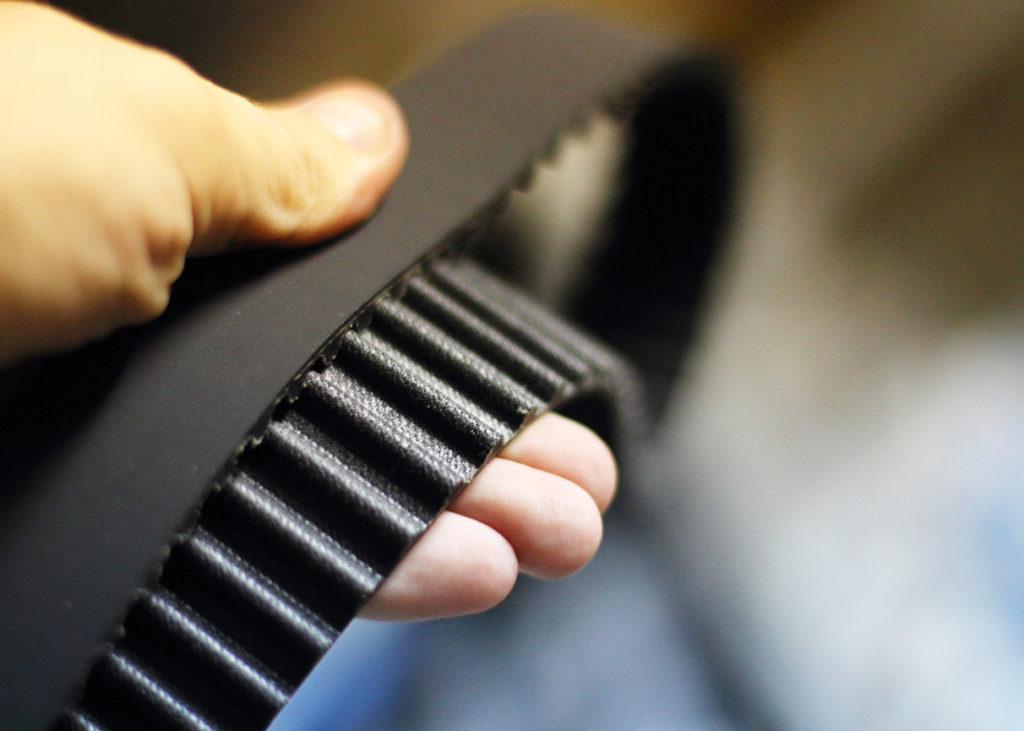
A damaged drive belt or a defective drive pulley can also cause the washer to make a grinding or a rumbling noise.
Both the front- and top-load GE washers contain a pulley. The pulley ensures that the tub spins smoothly. If you open the access panel located at the back of the washing machine, the round pulley is the first thing you will see. The rubber belt, suspended on the pulley, extends toward the drive motor.
The pulley system works together with the belt and the motor to spin the drum. If the belt is loose or damaged, the drum will make a grinding noise. If the belt is not replaced, it can break down, causing the inner tub to stop spinning.
Since the tub is connected to the pulley and the belt, it can also create a grinding noise if the pulley gets loose. A loose pulley can cause the joints to malfunction, resulting in unstable movement and result in the washer spinning loud.
It’s safe to replace the belt or tighten the pulley yourself. You can find such parts online easily. However, fixing it yourself can often void the warranty; therefore, use caution.
Failed Tub Suspension and Shock Absorber
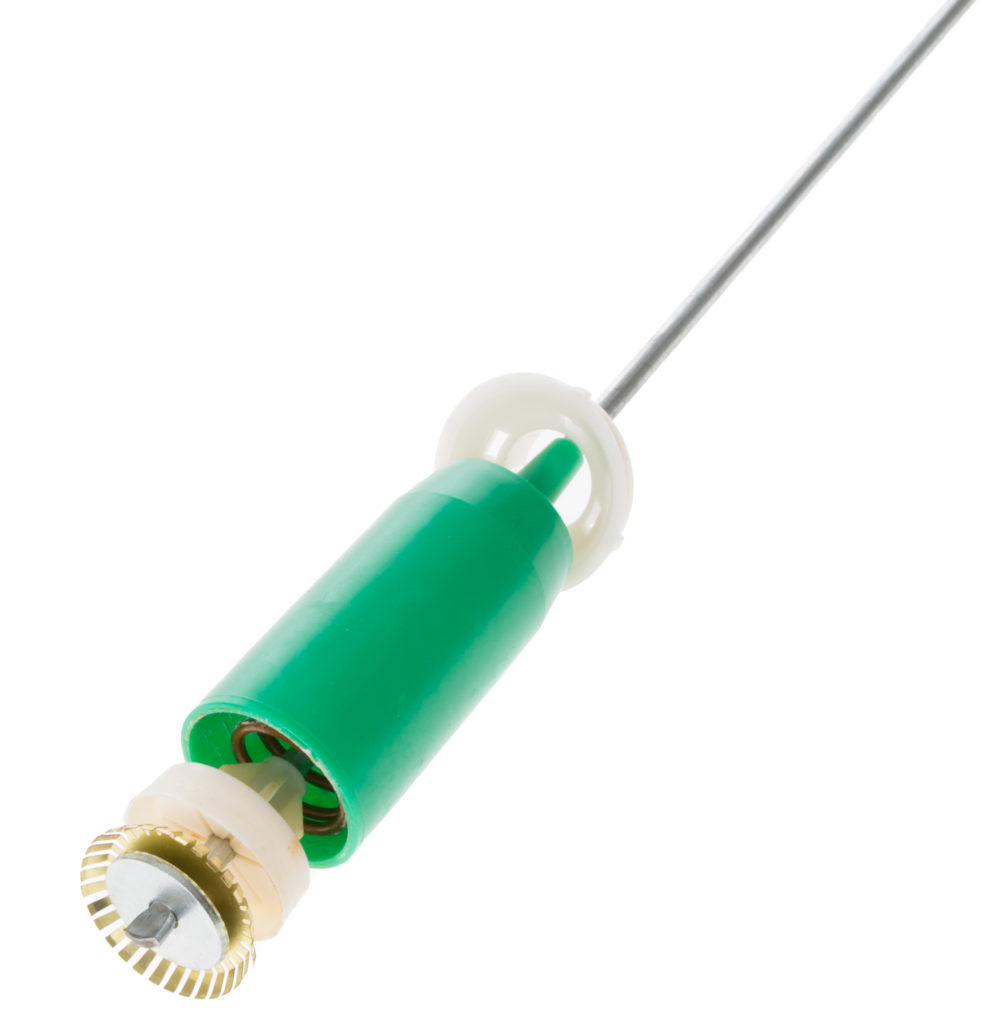
Depending on the type of GE washer, the rotating inner tub is supported by a spring rod or a shock absorber. The spring rod is usually located on the side of the top-load GE washer whereas the shock absorber is placed behind the drum of a front-end GE washer.
If you have a top-load GE washer, it should have a rod containing a spring. The rod supports the inner tub. If the rod is worn-out or the spring is broken, the tub will produce a grinding sound.
Unlike the spring rod in a top-load GE washer, front-end GE washers are integrated with a shock absorber. The shock absorber is placed behind the inner tub. If it breaks or if the shocks do not work properly, they will not support the tub. Ultimately, you will hear the grinding and thumping noise once the washer is turned on.
Replacing these supporting parts is not rocket science. Changing the spring rod in a top-load washer is the easiest DIY task. If you intend to replace the rod, watch out for the joints as you need to carefully remove the older rod affixed to the joint. Similarly, you can buy the shock absorbers and change them without seeking professional help.
Defective Drain Pump
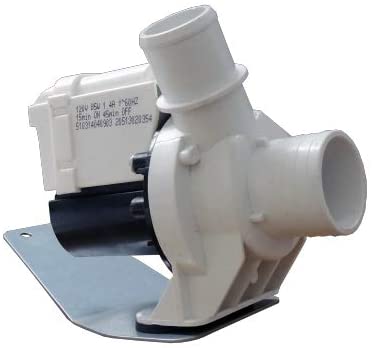
A defective drain pump can also cause the washing machine to make all sorts of noises.
If there is a problem with the drain line or something is stuck in the pump, it will cause the machine to shake. On the other hand, if the vibration is accompanied by an unexpected sound, you may need to replace the entire pump.
To investigate, open the access panel. Once the panel is removed, you can see the drain pump connected to the drain hose. Unscrew the drain hose to look for a blockage. If there is a blockage, you can remove it to fix the problem. If there isn’t anything visible, it’s most probably a defective pump, which you need to replace.
Inspecting the existing pump and installing a new pump can be a challenge for most people. If you’re not good at tackling technical aspects, let the professionals do it.
Hopefully, the four basic solutions, outlined above, will rectify the issue in most cases. However, if you’re still thinking, “why is my washer making noise,” then it may be another part of the washer that needs fixing, which could necessitate professional assistance.